
How do we scale Public-Private Partnerships (PPPs) for climate action in Ghana?
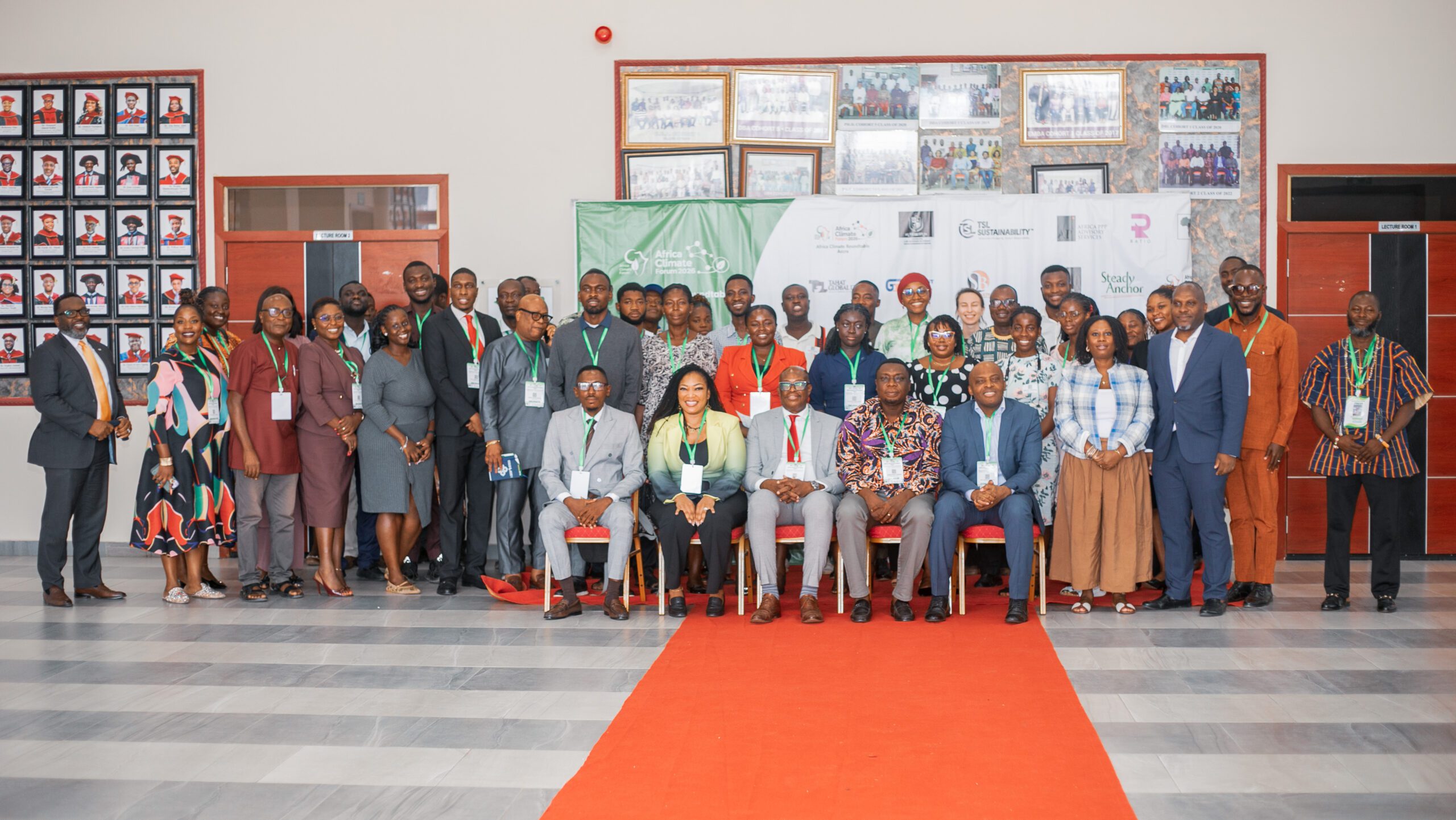
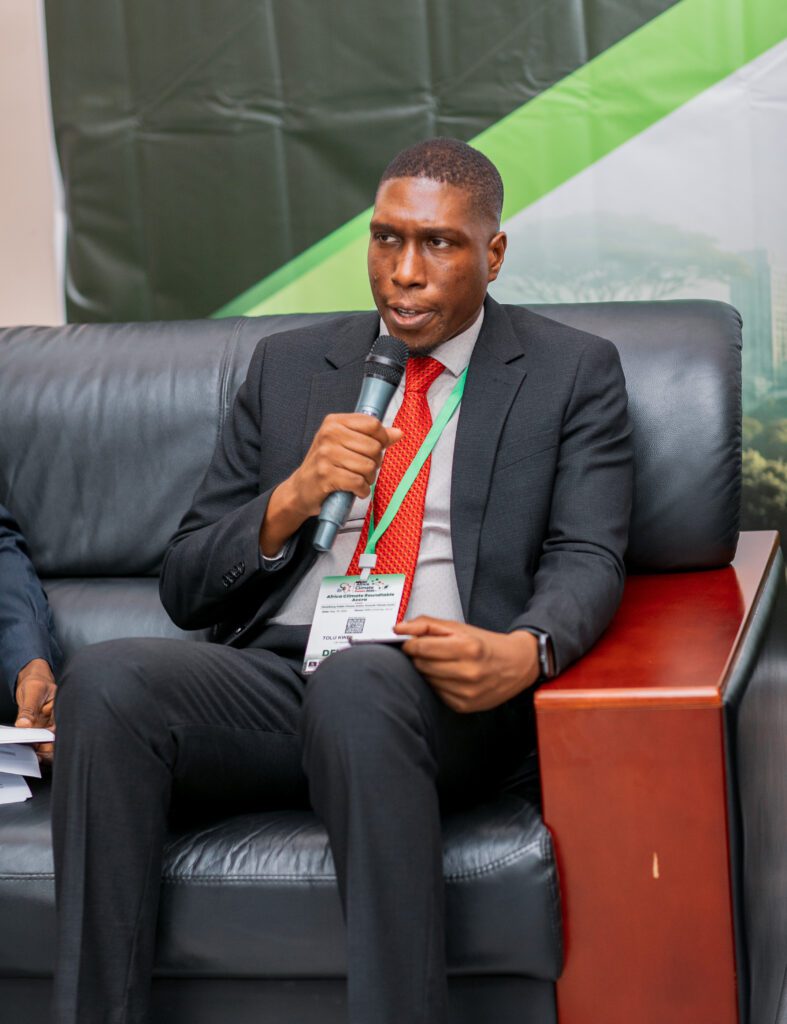
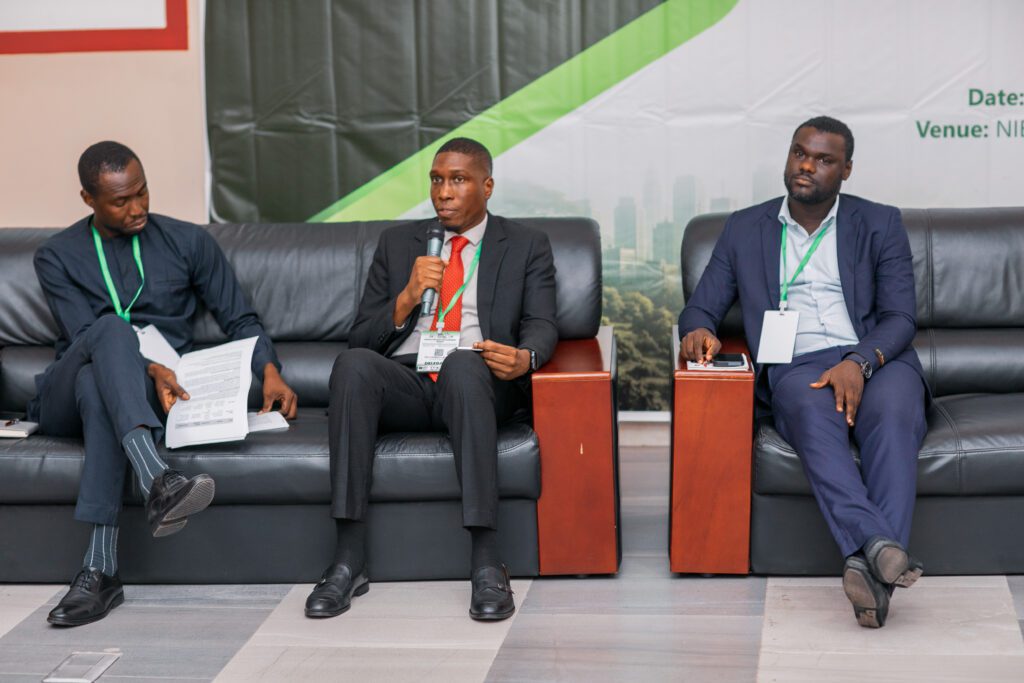
This was the central focus of discussions at the Africa Climate Roundtable – Accra 2026, where the Executive Director of the UN Global Compact Network Ghana, Mr. Tolu Lacroix, participated in Plenary 3 on “Catalysing Climate PPPs in Africa.”
Speaking during the session, Mr. Lacroix emphasized that neither the public nor private sector can independently mobilize the scale of climate finance Africa urgently requires. For Ghana to achieve its updated Nationally Determined Contributions (NDCs), the country will need to mobilize between US$9.3 billion and US$15.5 billion by 2030.
He noted that government budgets alone cannot shoulder this responsibility, while private capital requires policy certainty, stable regulatory frameworks, and investment-ready opportunities to operate at scale.
According to Mr. Lacroix, achieving meaningful impact will require partnerships that move beyond symbolic agreements and function instead as practical implementation frameworks capable of delivering measurable climate outcomes.
Key insights from the panel intervention highlighted the need for stronger collaboration between sectors, stressing that climate change already poses significant risks to supply chains, agriculture, infrastructure, and long-term business competitiveness. Participants underscored the importance of moving away from isolated, donor-dependent pilot projects toward investment-ready pipelines supported by blended finance mechanisms that can de-risk private investment.
The discussion also highlighted the importance of leveraging successful local models such as the Cocoa & Forests Initiative and the Ghana Climate Innovation Centre to ensure climate solutions generate sustainable jobs and economic opportunities for Ghanaian SMEs and local communities.
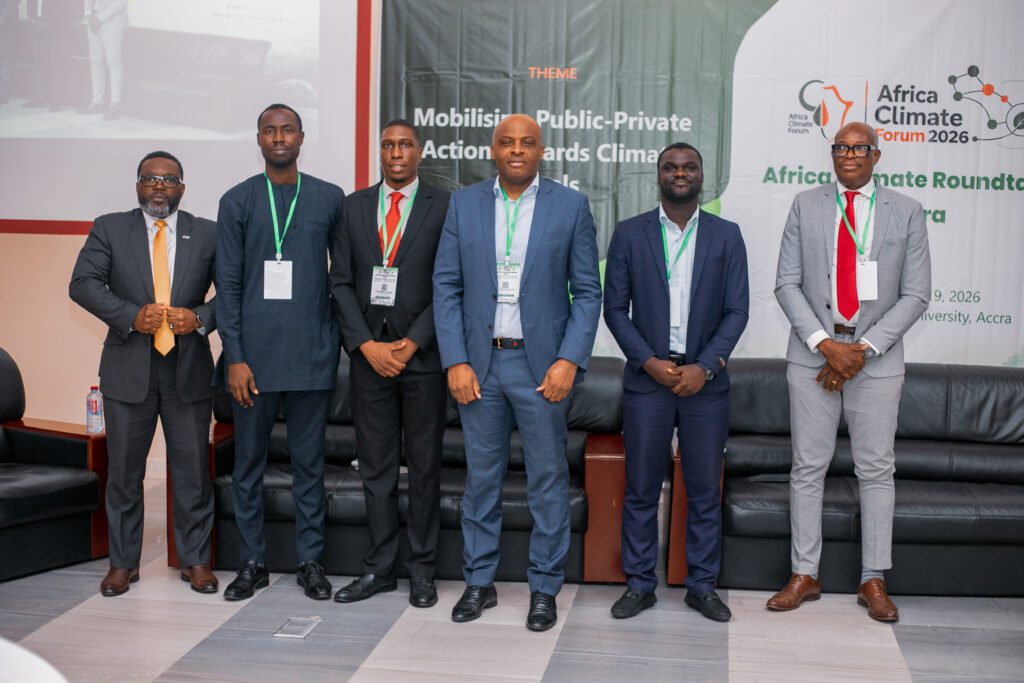
The roundtable further reinforced the role of the UN Global Compact as a platform for advancing collaborative climate action. Through the UN Global Compact Network Ghana, business leaders, policymakers, financiers, and civil society actors are being brought together to drive structured dialogue and practical implementation of sustainability commitments.
The Network continues to support local participants in aligning corporate strategies with national climate priorities, strengthening ESG reporting practices, and building the cross-sector trust necessary to make climate investments scalable, credible, and inclusive.
As the 2030 deadline draws closer, the discussions emphasized that the next phase of climate action in Ghana must be practical, transparent, and urgent. Through stronger collaboration and sustained partnerships, Ghana has the opportunity to transform climate vulnerability into a pathway for sustainable and inclusive growth.
END.