
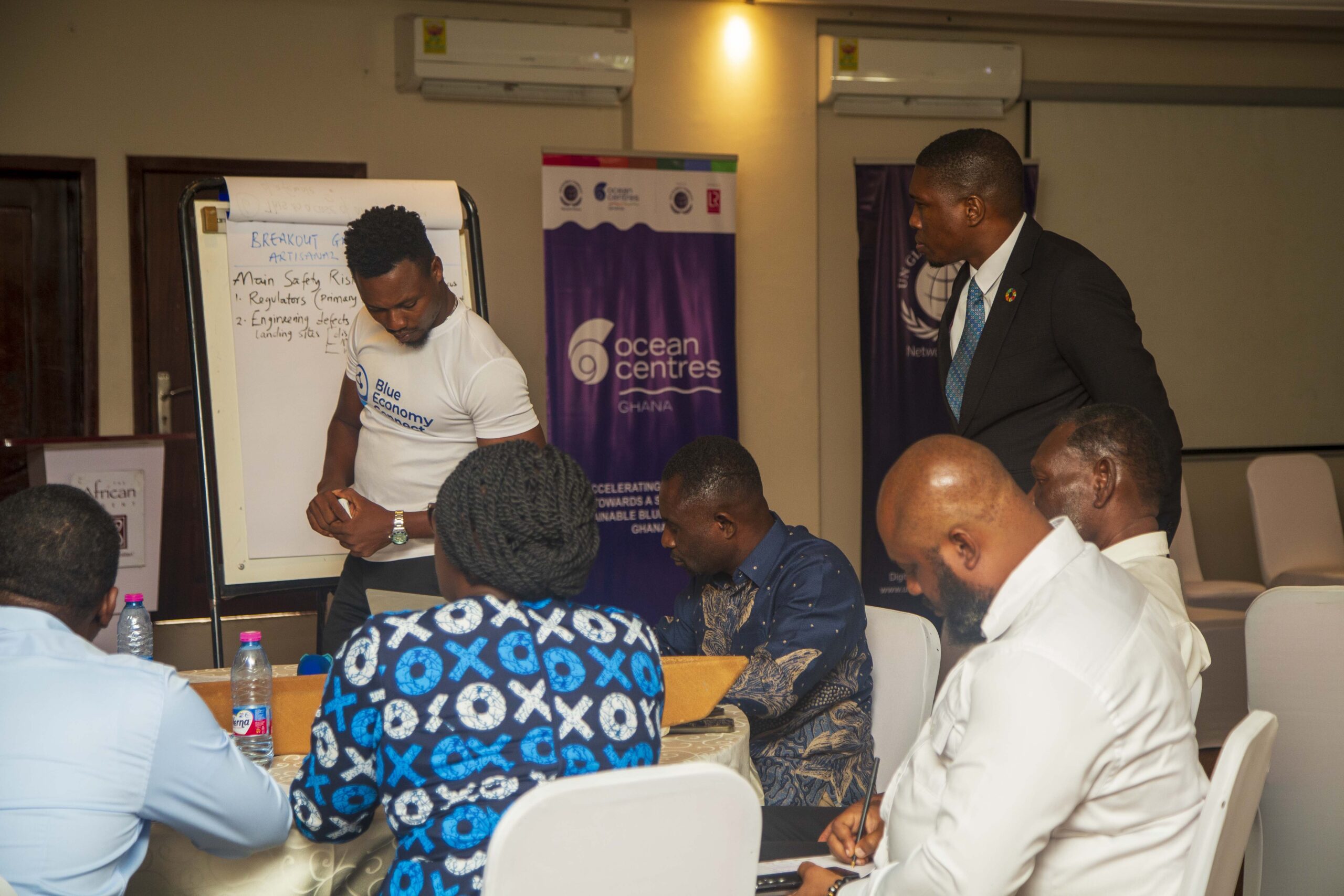
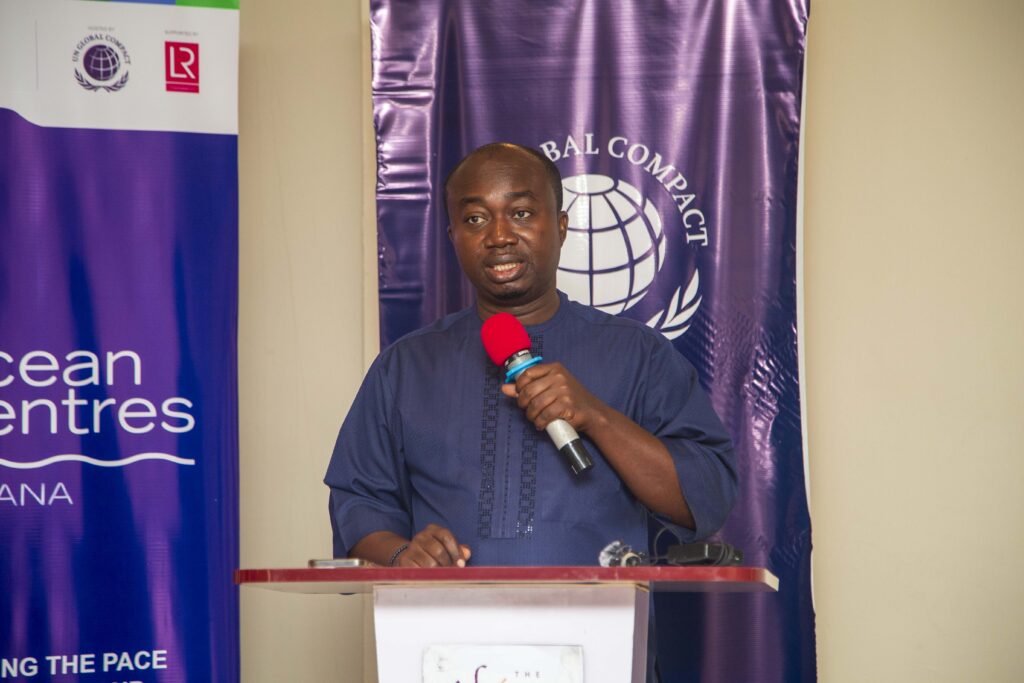
On Thursday, 19th February 2026, the Ocean Centres–Ghana, hosted by the United Nations Global Compact and supported by the Lloyd’s Register Foundation, convened fisheries and maritime stakeholders for Workshop 6 themed “Safer Fishing, Stronger Livelihoods: Vessel Safety, Worker Welfare, and Emergency Readiness in Ghana’s Fisheries”.
This workshop took place at the African Regent Hotel, Accra.
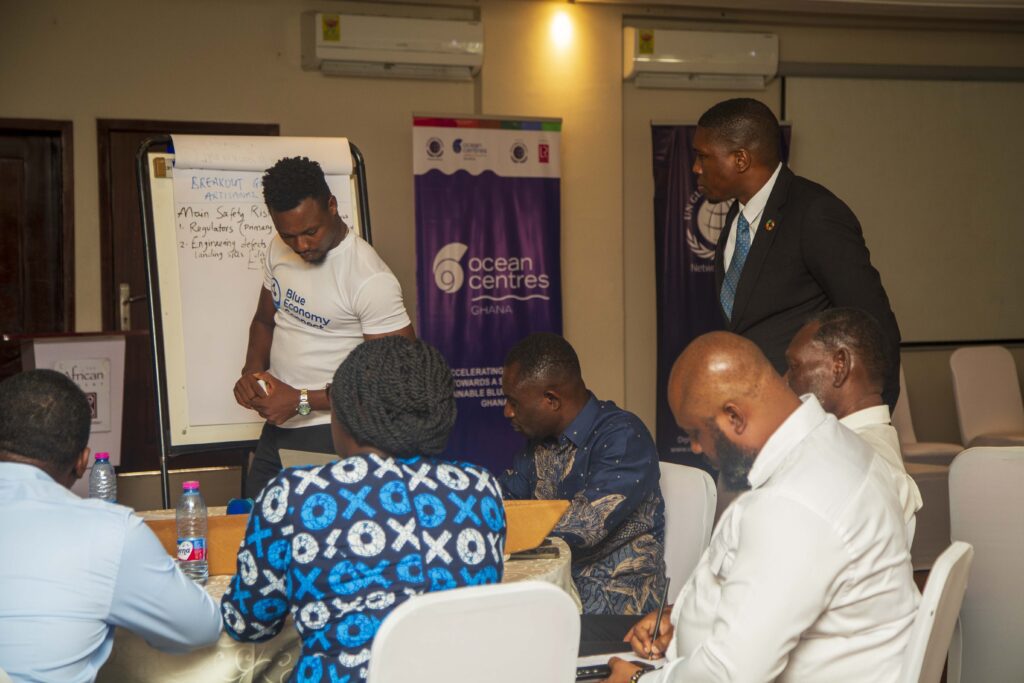
As fishing is one of the most dangerous occupations in Ghana, this high-impact workshop brought together fisheries regulators, vessel owners, operators, trainers, insurers, and technology enablers to:
- Make safety risks visible
- Strengthen vessel and worker protection
- Address enforcement and reporting gaps
- Improve emergency readiness and early warning systems
- Agree on practical short-term actions and longer-term reforms
From artisanal fishers to industrial operators, regulators, enforcement agencies, youth-led groups, community-based organisations, and training institutions — the room reflected the full ecosystem influencing safety at sea.
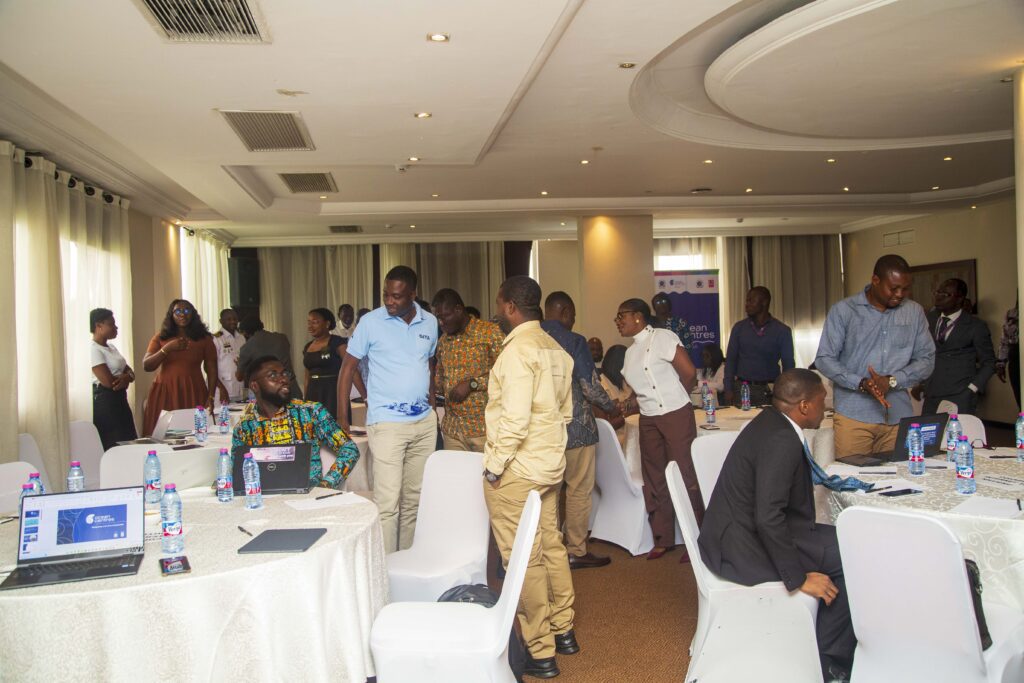
What stood out was not just the diversity of participants, but the honesty of the dialogue.
The Minister of Fisheries and Aquaculture, Mrs. Emelia Arthur, through a speech read on her behalf noted that the government is strengthening regulatory frameworks and enforcement mechanisms to safeguard Ghana’s marine sector. She also called for a clear coordination protocol through partnerships to advance a sustainable and equitable future for the oceans.
Furthermore, Mrs. Arthur underscored the importance of preserving and sustainably managing ocean and marine resources in the face of climate change, pollution and overfishing.
“We must unite to create innovative solutions that can safeguard the future of our oceans for generations,’ she said, “safety cannot be imposed, it must be understood, accepted and practiced.”
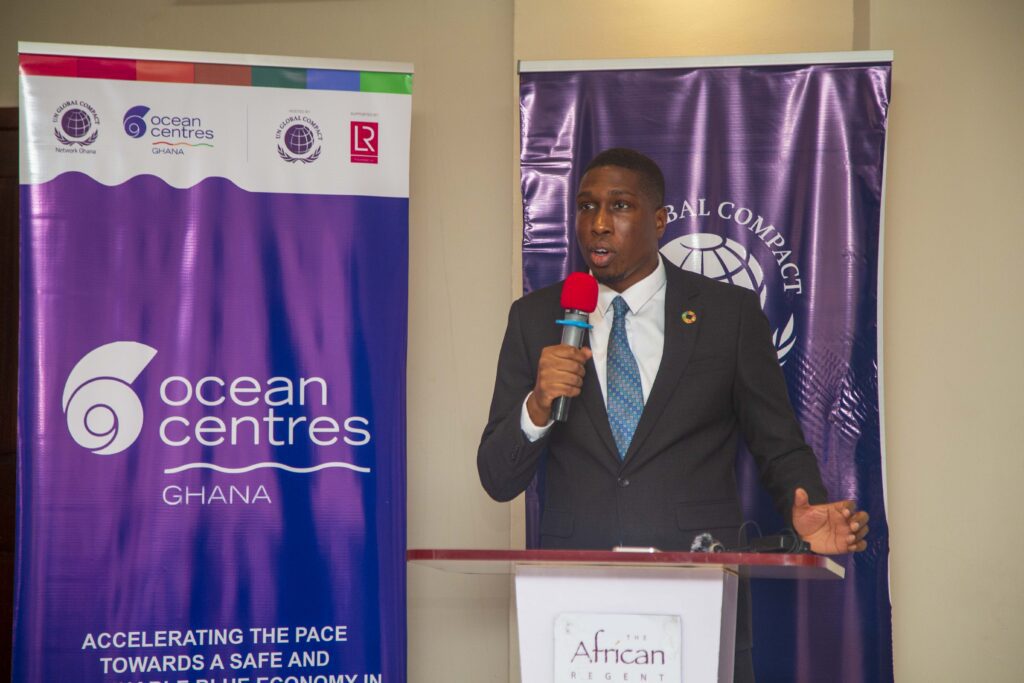
Our Executive Director, Mr. Tolu Lacroix, expressed his concerns about accidents in the sector and called for urgent measures to address the situation. Additionally, he shared how research findings indicated that about 14,000 fishing vessels operated in the country, predominantly artisanal boats with more than 300,000 people. These findings also indicated that nine out of ten fishermen were more likely to get injured.
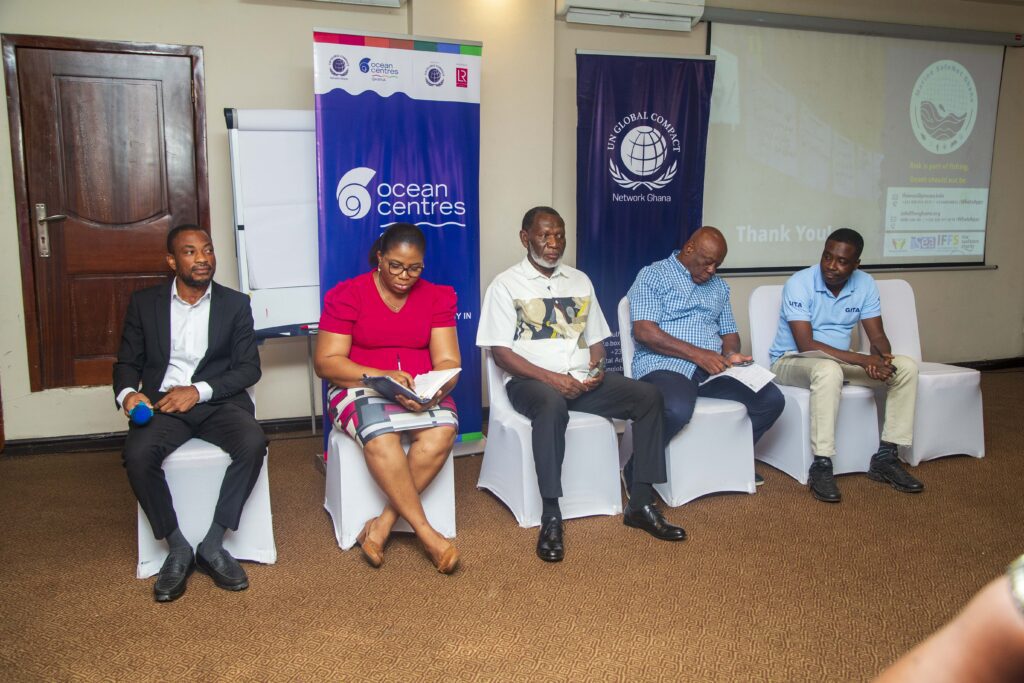
This workshop participants signaled readiness — readiness to move from discussion to implementation, to align regulation with reality, and to design interventions that work on the water, not just on paper.
While national efforts to strengthen regulatory frameworks are ongoing, regulation alone will not deliver safer seas. Coordination, compliance, and culture are equally critical.
Ocean Centres–Ghana remains committed to convening the right actors, asking the difficult questions, and advancing solutions that strengthen both safety and livelihoods.
END.