

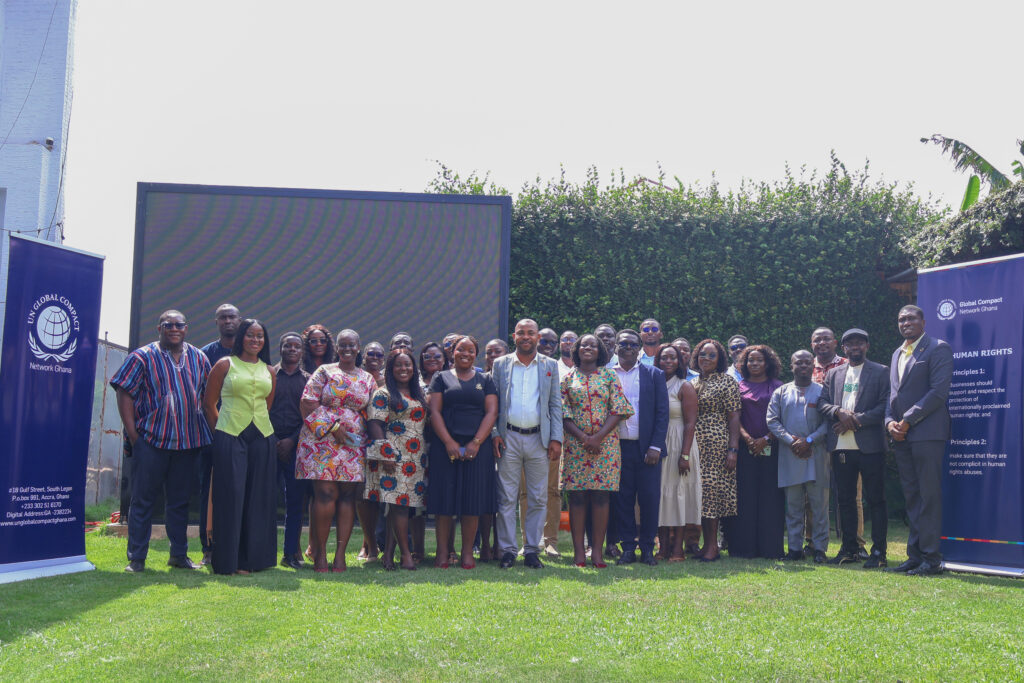
The The UN Global Compact Network Ghana has intensified efforts to promote responsible business conduct, convening business representatives and stakeholders for a practical training session on Human Rights Due Diligence (HRDD) aimed at strengthening corporate capacity to identify, prevent and address human rights risks across business operations and supply chains.
It was held on 15 October 2026, under the theme, “Enhancing Corporate Responsibility: Compliance with International Standards in Business and Human Rights”.
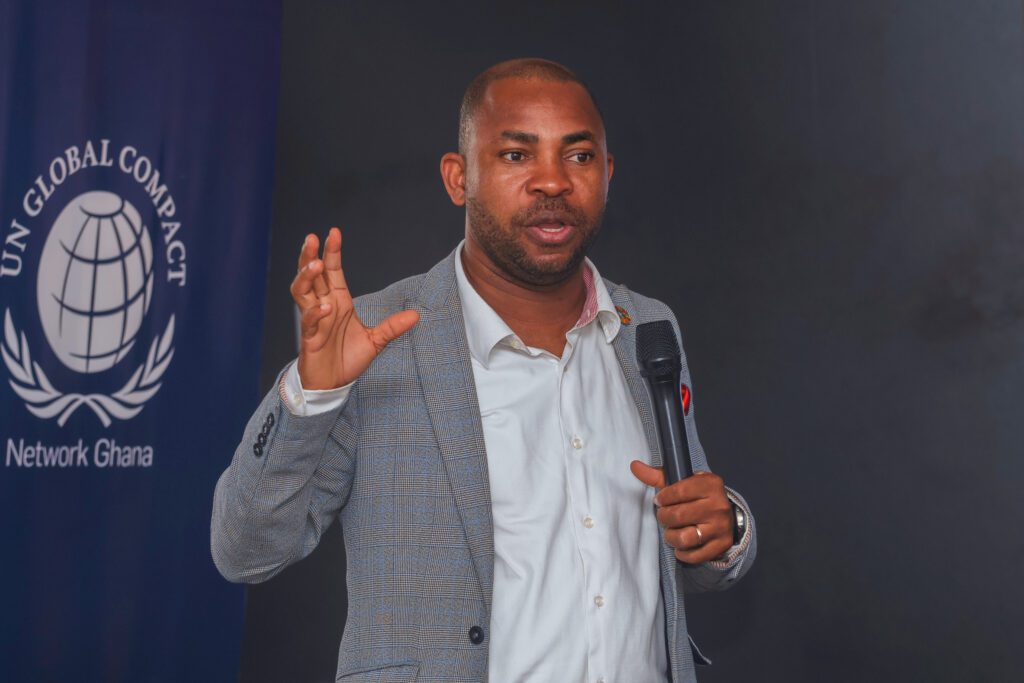


The training addressed the growing expectations on businesses to identify, prevent, mitigate and account for human rights impacts associated with their activities. Particular attention was given to the United Nations Guiding Principles on Business and Human Rights (UNGPs), the authoritative global framework for preventing and addressing human rights abuses linked to business activities.
It further explored the UNGPs and their central Protect, Respect and Remedy framework, examining the respective responsibilities of governments and businesses in safeguarding human rights. Discussions also considered the increasing importance of human rights compliance within global supply chains and the regulatory expectations facing businesses operating in an increasingly interconnected global economy.


A key component of the session was a practical Human Rights Due Diligence (HRDD) risk-mapping workshop, during which participants worked in groups to identify potential human rights risks within business operations. Using a human rights due diligence toolkit, participants examined approaches to assessing operational risks, preventing adverse human rights impacts and understanding how international partners evaluate corporate compliance.
The interactive sessions provided an opportunity for participants to engage with practical challenges, exchange perspectives and consider how international human rights standards can be translated into effective internal policies and procedures.
The session concluded with a question-and-answer segment, allowing participants to consolidate key lessons from the training, share workshop findings and reflect on practical steps towards strengthening human rights compliance within their respective organizations.
In her closing remarks, Ms. Rhoda Boateng, Programme Manager at the UN Global Compact Network Ghana, reiterated the importance of translating commitments to human rights into practical action within business operations.
Through initiatives such as this, the UN Global Compact Network Ghana continues to support businesses in strengthening their understanding of responsible business conduct and aligning their operations with internationally recognised sustainability and human rights standards.
The training forms part of the Network’s broader commitment to advancing the Ten Principles of the UN Global Compact and promoting businesses that respect human rights, uphold responsible practices and contribute meaningfully to sustainable development.
END.