
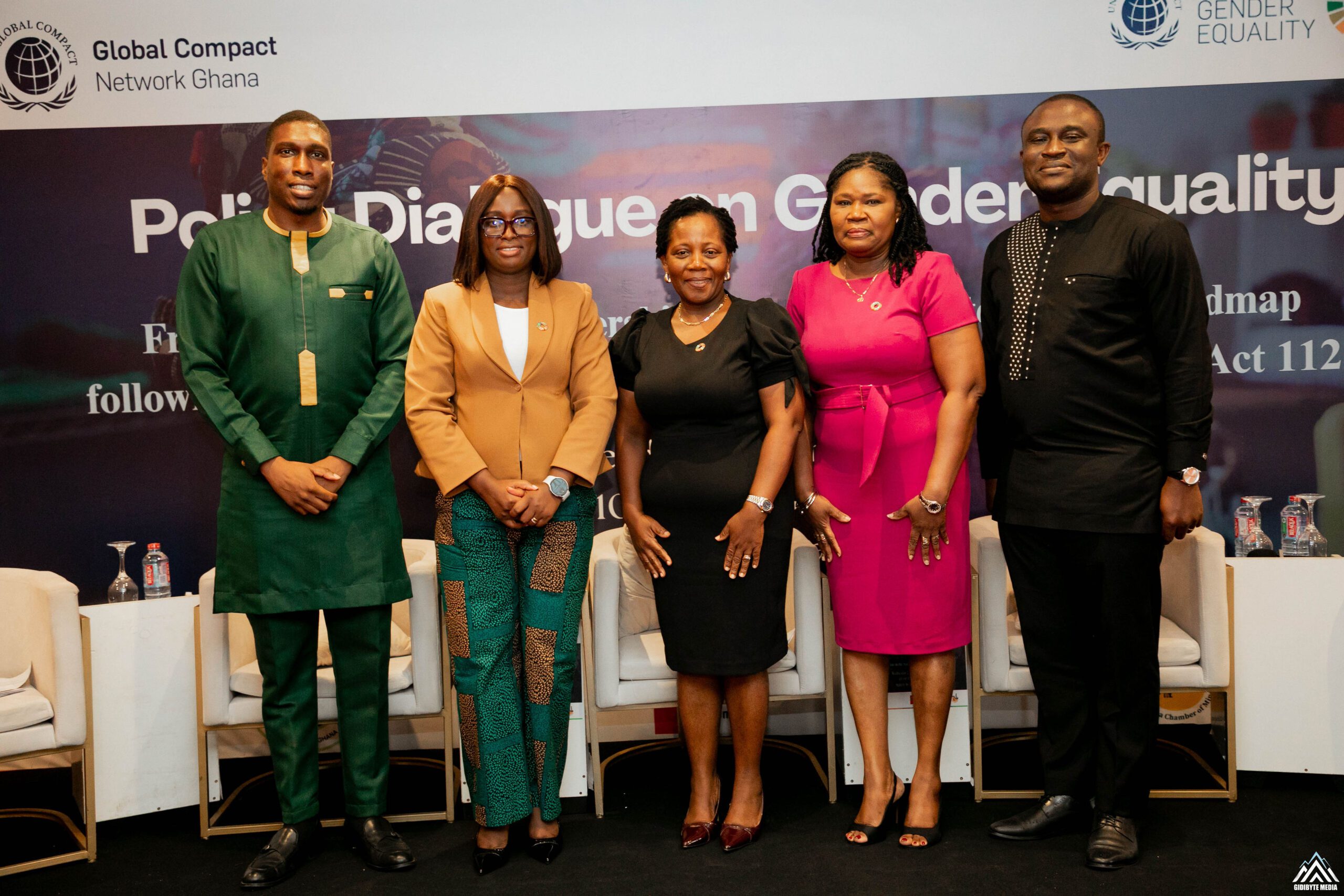
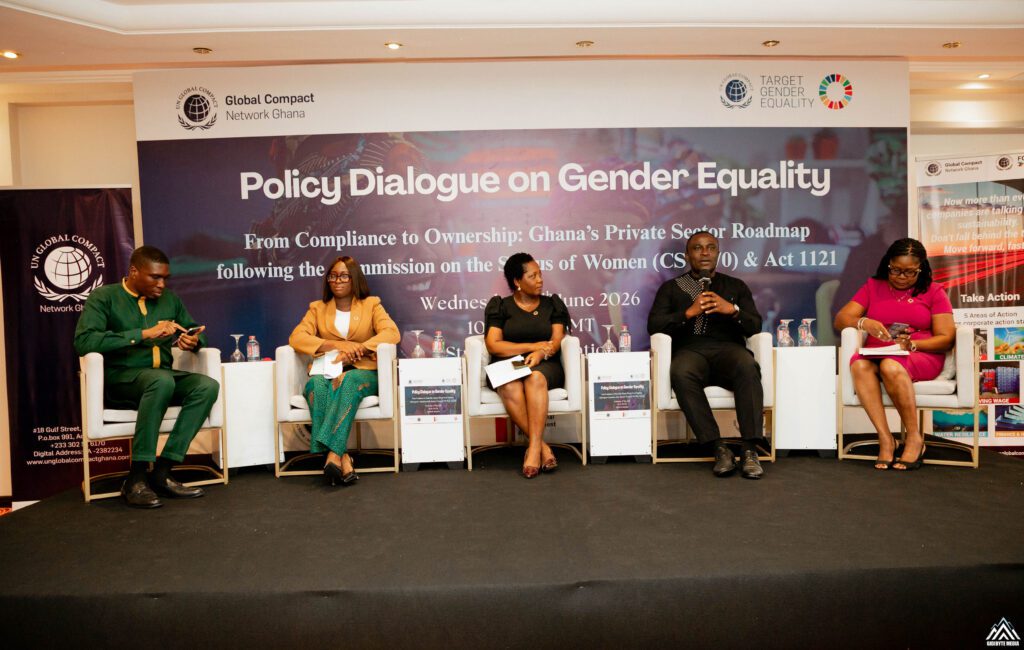
Accra, Ghana – With just 180 days remaining before the Affirmative Action (Gender Equity) Act, 2024 (Act 1121) came into effect, the United Nations Global Compact Network Ghana convened a high-level policy dialogue in Accra to assess the private sector’s readiness and accelerate action toward achieving gender equity in leadership.
The dialogue brought together business leaders, policymakers, development partners, and sustainability professionals to examine the implications of the new legislation and explore practical pathways for compliance. Under the Act, organizations are required to achieve a minimum of 30% female representation in management and decision-making positions by December 2026. This comes against the backdrop of current figures showing that women occupy only 24% of board seats in listed companies, while 14% of businesses continue to operate with all-male boards.
The event was moderated by Rhoda Adwoa Boateng, Program Manager at the UN Global Compact Network Ghana, who guided participants through a day of insightful discussions focused on strengthening gender-inclusive leadership across Ghana’s corporate landscape.
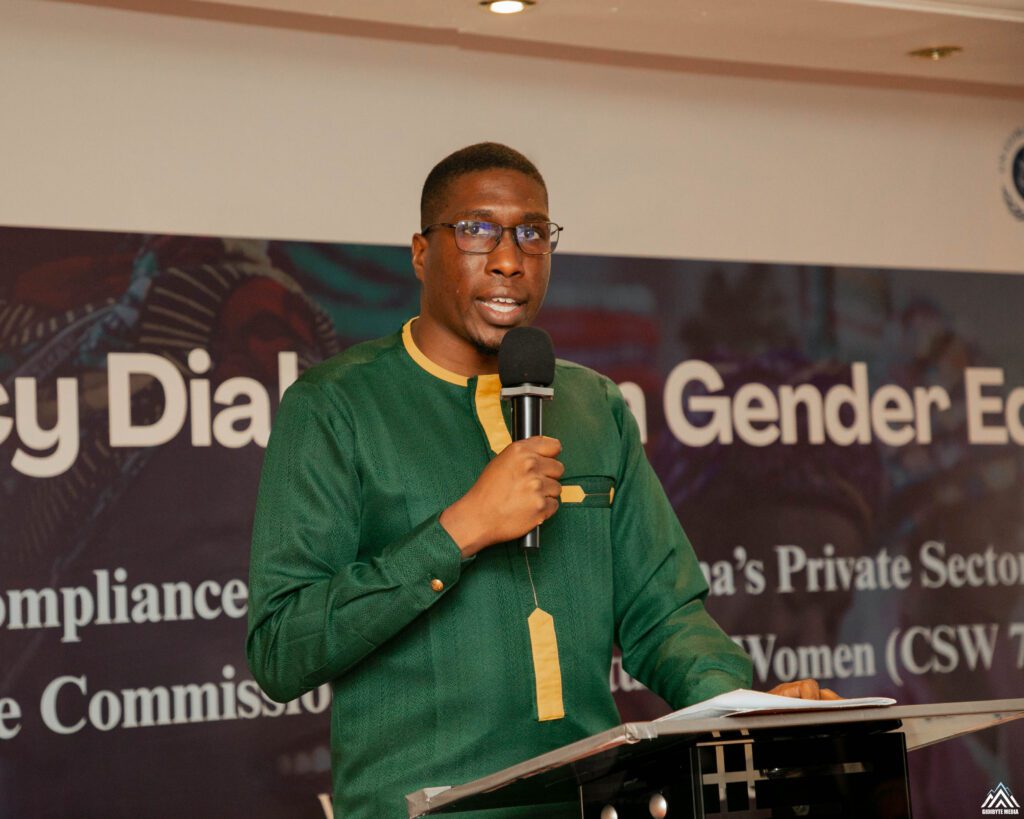
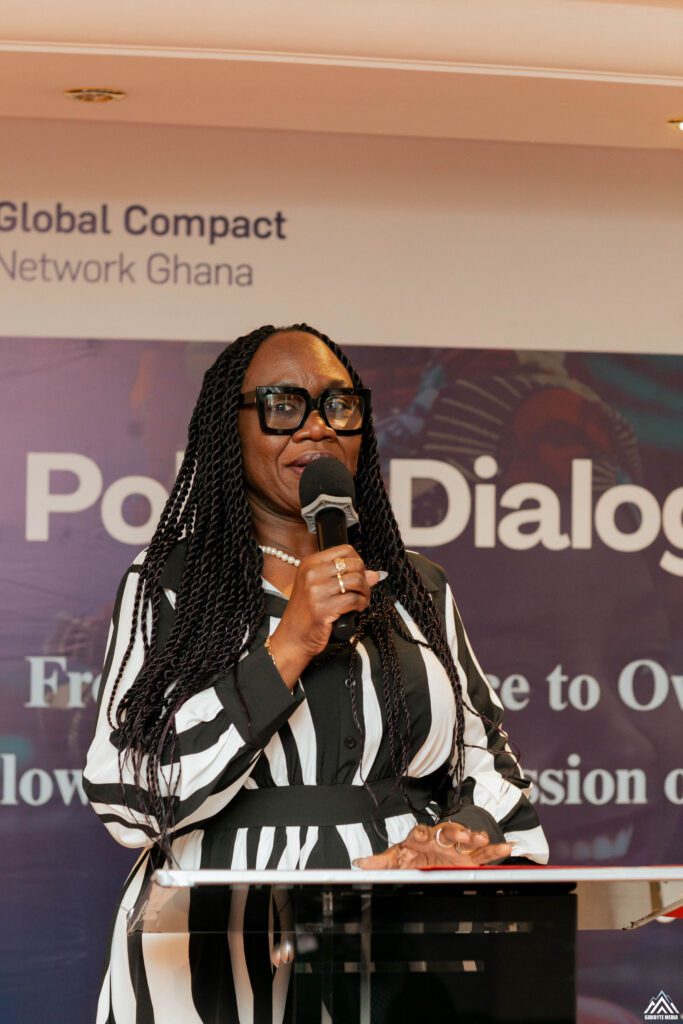
Opening the dialogue, Tolu Lacroix, Executive Director of the UN Global Compact Network Ghana, challenged businesses to take ownership of the gender equity agenda, emphasizing that inclusive leadership is no longer just a social imperative but a strategic business priority.
“Gender equality at the management level strengthens corporate governance, enhances risk management, improves decision-making, and positions businesses to attract global investment and capital,” he noted.
Delivering the opening remarks on behalf of the UN Resident Coordinator ad interim, Dr. Emmily Naphambo, Deputy Representative of UNFPA Ghana, shared key outcomes from the Commission on the Status of Women (CSW70) and called on the private sector to transition from passive observers to active champions of gender-responsive legislation.
Providing legal context, Mrs. Sheila Minkah-Premo Esq., Convenor of the Affirmative Action Law Coalition, underscored the critical role of businesses in the successful implementation of the Act. She noted that because the private sector employs the majority of Ghana’s workforce, its commitment to proactive compliance will be fundamental to achieving the objectives of the legislation.
The keynote address was delivered by Dr. Marian Kpakpah, Chief Director at the Ministry of Gender, Children and Social Protection, on behalf of the Honorable Minister who emphasized that lasting transformation requires more than policy adoption. “Real change happens when institutions transform their culture, translate policy into action, and embed equality into everyday organizational practices,” she remarked.
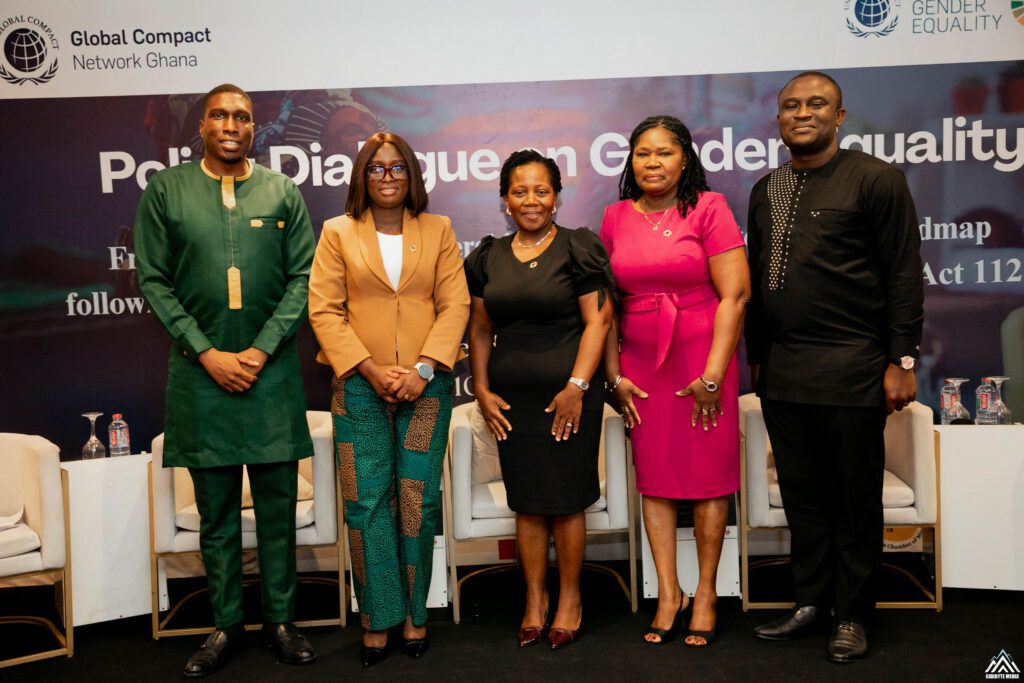
A high-level panel discussion featured representatives from Arla Foods Ghana, Fidelity Bank Ghana, the Ghana Stock Exchange, and the Gender Equity Secretariat, who shared practical experiences and strategies for advancing women into leadership roles. The panel highlighted how diverse leadership contributes to stronger governance, improved innovation, enhanced organizational performance, and long-term business resilience.
The discussion was further enriched by contributions from participants representing leading organizations, including Jospong Group of Companies, Consolidated Bank Ghana, CYBERTEQ , and the Ghana Chamber of Mines, who shared examples of initiatives designed to strengthen internal leadership pipelines and create more inclusive workplaces.
The dialogue concluded with a strong call for collective action, reinforcing that compliance with the Affirmative Action Act should not be viewed merely as a legal obligation but as an opportunity for businesses to build more resilient, competitive, and sustainable organizations.
As the countdown to implementation continues, the message from the dialogue was clear: the time for private sector action is now.
END.